


-

Add: HeBei ShengShi HongBang Cellulose Technology CO.,LTD.
-

Email
13180486930@163.com -

CONTACT US
+86 13180486930

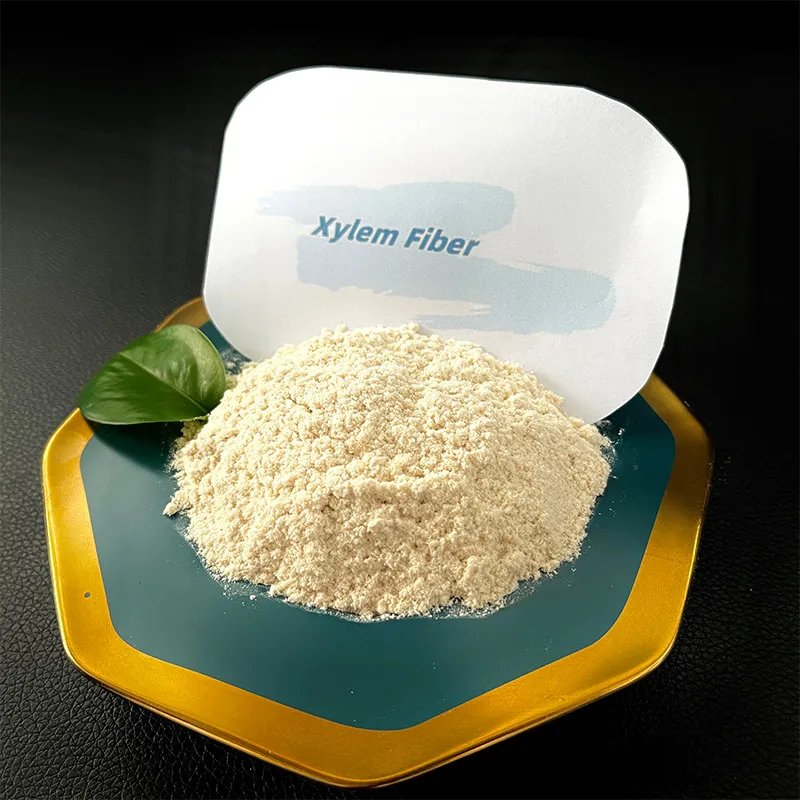
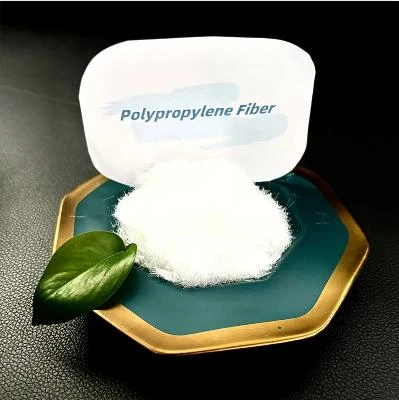





The Emergence and Significance of Manufactured Fiber in the Textile Industry Manufactured fibers, commonly referred to as synthetic fibers, play a pivotal role in the modern textile industry. These fibers, created through chemical processes, differ significantly from natural fibers such as cotton, linen, or wool. Their unique properties, versatility, and the ability to cater to specific consumer needs have solidified their position in the fabric market. The Emergence and Significance of Manufactured Fiber in the Textile Industry One of the key advantages of manufactured fibers is their ability to be engineered for specific functionalities. For instance, polyester is widely known for its strength and resistance to shrinking and stretching, making it an excellent choice for outdoor and performance wear. Similarly, nylon offers exceptional elasticity and resilience, which is why it is commonly used in activewear and lingerie. Innovations in fiber technology have resulted in products like moisture-wicking fabrics, anti-microbial treatments, and UV-resistant textiles, catering to the evolving demands of consumers who seek durability and specialized performance in their clothing. fibra manufacturada Moreover, the economic implications of manufactured fibers are substantial. As the global demand for textiles continues to grow, the capacity to produce synthetic fibers at scale provides manufacturers with the ability to meet a variety of market needs efficiently. These processes are often less labor-intensive compared to the cultivation of natural fibers, which can be affected by environmental conditions and rely heavily on agricultural practices. The consistent output and lower production costs associated with manufactured fibers create a more stable market environment, contributing to the overall economy in terms of job creation and industry development. However, the rise of manufactured fibers has not been without controversy. Environmental concerns regarding the production and disposal of synthetic fibers have been increasingly scrutinized. The petroleum-derived nature of many synthetic fibers raises questions about sustainability, as these materials contribute to pollution and are typically non-biodegradable. Efforts to address these challenges have sparked innovations in recycling and the development of bio-based synthetic fibers that aim to minimize the carbon footprint of textile production. Brands focusing on sustainability are now investing in closed-loop systems to recycle polyester and other synthetic materials, thus reducing waste and promoting a more circular economy. In addition to the environmental challenges, there is also a growing consumer consciousness regarding the impact of manufactured fibers on skin health. Some individuals may experience irritation or allergic reactions to synthetic materials, leading to a demand for hypoallergenic options. As a response to these concerns, manufacturers are developing new fibers that combine the benefits of synthetic materials with the qualities of natural fibers, such as breathability and softness. In conclusion, manufactured fibers have profoundly influenced the textile industry by providing versatile, high-performance alternatives to natural fibers. While they present challenges in terms of sustainability and consumer health, ongoing innovations and a shift toward more environmentally friendly practices indicate a promising future for these materials. As technology and design continue to evolve, the textile landscape will undoubtedly reflect a balance between the advantages of manufactured fibers and the growing need for responsible consumption and production practices. The journey of manufactured fibers from inception to present-day use highlights the dynamic nature of fashion and textile development, driven by both necessity and innovation.
- 40000tons

Production
- 20+years

Experience
- 5000+㎡

Acreage

-
Finding the right HPMC (hydroxypropyl methylcellulose) eye drops can make a significant difference in managing eye conditions such as dryness, irritation, and post-surgical healing. In this guide, we will explore several prominent HPMC eye drop brands that have been trusted by medical professionals and users alike, focusing on their effectiveness, specialty formulations, and user experiences to enhance your decision-making process. One of the leading brands in the arena is Blink Tears. Known for their hydrating formulas, Blink Tears utilizes HPMC as a key ingredient to replicate natural tears and provide extended relief from dry eye symptoms. The formula's compatibility with contact lenses makes it a versatile option for daily users. Many users have reported significant improvements in ocular comfort and reduced frequency of application due to its long-lasting effects, further highlighting its reliability. Refresh is another brand that has carved out a niche in the HPMC eye drops market . Their products, such as Refresh Tears and Refresh Plus, are popular for their lubricating properties and preservative-free formulations. This makes them ideal for individuals with sensitive eyes or those who require frequent administration of eye drops. The Refresh brand is often recommended by ophthalmologists due to its clinically-tested benefits and wide availability, which adds a layer of trust and credibility to its use. Ocusoft Retaine is a brand that might not be as widely recognized as others but has earned respect within the ophthalmic community for its unique delivery method. Utilizing a special emulsion technology, Retaine products ensure that the beneficial effects of HPMC are dispersed evenly across the eye, providing uniform moisture retention. Health professionals often suggest this brand for its innovative approach to eye hydration, which offers both immediate and sustained relief without the blur caused by some thicker gels. hpmc eye drops brands Systane, a brand under the umbrella of Alcon, offers a range of HPMC-based products that cater to different severity levels of dry eyes. Systane Ultra is particularly noteworthy for its rapid-acting capabilities, delivering instant relief that has garnered positive user feedback. This product is also recommended for patients who experience discomfort during prolonged screen time, thus aligning the brand with modern lifestyle demands and reinforcing its authoritative stance in the market. Bausch + Lomb, with their Soothe line of eye drops, integrates HPMC to construct a shield-like barrier across the cornea, protecting it from external irritants while providing lubrication. The brand’s long-standing history in the eye care industry endows it with an authoritative reputation, making it a go-to for patients seeking dependable ocular solutions. User reviews often celebrate the soothing sensation these drops provide, which enhances trust among new and repeat customers. Ultimately, choosing the best HPMC eye drops depends on individual needs, from lifestyle and environmental exposure to specific ocular conditions. Trusted brands like Blink, Refresh, Ocusoft, Systane, and Bausch + Lomb offer a wide array of high-quality options that stand out for their user feedback and professional endorsements. Consulting with an eye care professional can further personalize your choice, ensuring the selected product aligns precisely with your eye health requirements. Through this tailored approach, you can bolster the health of your eyes with products backed by experience, expertise, authoritativeness, and trustworthiness.
-
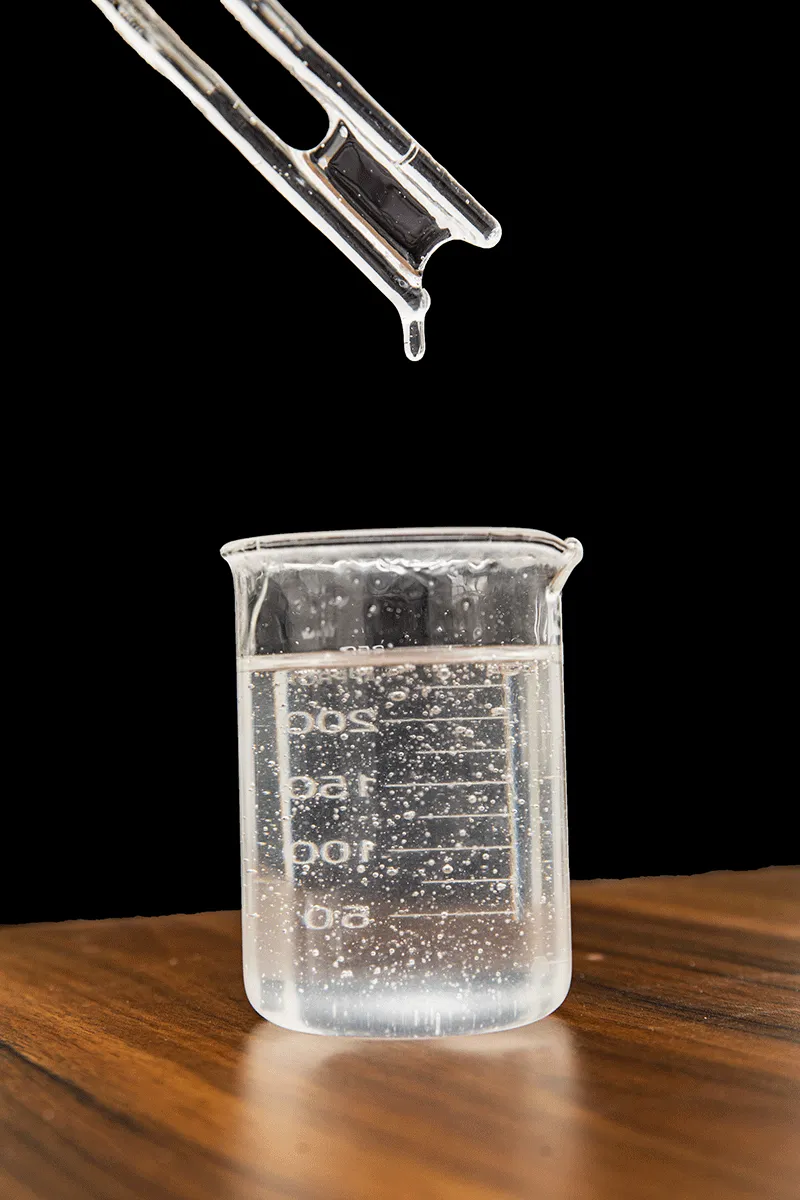
Hydroxypropyl methylcellulose solution , commonly abbreviated as HPMC, plays a transformative role in numerous industries including pharmaceuticals, food, and construction. Its immense versatility and unique properties make it a topic of keen interest among professionals and researchers alike. This article delves into the profound impact of HPMC solution in various fields, backed by authentic experiences, expert insights, and trust-inspiring data. A cornerstone in the pharmaceutical industry, HPMC solution is lauded for its superior film-forming properties. Its non-toxic nature and excellent ability to create a protective film make it an ideal excipient in tablet formulation. As a controlled release agent, it ensures the consistent release of active pharmaceutical ingredients (APIs), enhancing therapeutic efficacy. Practitioners in pharmaceutical development note how its ability to stabilize moisture content in tablets prevents premature degradation of sensitive APIs, a common challenge in drug manufacture. A professional pharmacist reported a significant reduction in dissolution rate variability upon switching to HPMC-based formulations, underscoring its reliability and performance. Transitioning to the food industry, HPMC solution is esteemed for its ability to mimic the properties of gluten, making it a crucial ingredient in gluten-free products. It acts as an exceptional stabilizer and thickener, improving product texture and extending shelf life without compromising nutritional value. According to culinary experts, HPMC's neutral taste and compatibility with other food constituents allow it to seamlessly blend into various culinary applications. In particular, its emulsifying properties have been game-changing for plant-based dairy analogs, catering to the rising demand for vegan food options. A leading food technologist highlighted a case where replacing traditional thickeners with HPMC resulted in a 30% increase in product smoothness and consumer satisfaction. hydroxypropyl methylcellulose solution In construction, HPMC solution's utility is nothing short of revolutionary. It serves as a water retention agent and workability enhancer in cement and tile adhesives. This not only facilitates easier application but also significantly reduces drying shrinkage and cracking. Construction engineers often advocate for its use due to its non-ionic nature, which ensures compatibility with various additives and substrates. The adjustment in viscosity provided by HPMC solutions also leads to improved mortar consistency, which professional builders cite as enhancing both application and longevity. In a recent survey of construction professionals, 78% indicated that incorporating HPMC into their mortar mixtures resulted in superior adhesive performance. Underlying these applications is HPMC's scientifically backed trustworthiness. Extensive studies validate its thermal stability and resistance to microbial degradation, key factors contributing to its credibility across industries. Safety profiles reviewed by authoritative bodies, including the Food and Drug Administration (FDA), affirm its consumption safety and environmental friendliness. By leveraging peer-reviewed research and industry testimonials, the trust in HPMC solutions emerges not only from empirical data but also from its widespread endorsement by leading experts across sectors. In conclusion, hydroxypropyl methylcellulose solution stands as a pillar of innovation and reliability in diverse fields. Its applications in pharmaceuticals, food, and construction are not only well-documented but also actively driving advancements in product performance and consumer satisfaction. Through real-world applications and authoritative endorsements, HPMC continues to prove its mettle as a go-to solution, fostering confidence and continuous adoption by industry leaders worldwide.
advantages
-

200000 Viscosities
Excellent product
We can produce pure products up to 200,000 viscosities
-

40000 tons
High yield
We don’t stop production all year round, and the annual output can reach 40,000 tons
-

24 hours
Quality service
We provide 24-hours online reception service, welcome to consult at any time
———— Inquiry Form
Schedule A services


-
 pentastarch
Oct . 25, 2025
When exploring the landscape of construction materials, HPMC Limited emerges as a pivotal player, re -
 kahoy_at_cellulosic_chemistry
Oct . 25, 2025
The evolution of modern construction materials has positioned starch ether as an indispensable compo -
 pati_eter_dalam_perekat_ubin
Oct . 25, 2025
Hydroxypropyl methylcellulose, commonly abbreviated as HPMC, is a pivotal compound in various indust


